
Streamline Your Work with Construction Management Tools
- eugenehalpernco
- Jan 19
- 4 min read
Managing construction projects efficiently is essential for success in today’s competitive market. With multiple tasks, deadlines, and teams to coordinate, staying organized can be challenging. Fortunately, construction management tools have transformed how projects are planned, executed, and monitored. These tools help streamline workflows, improve communication, and ensure timely delivery of projects.
In this article, I will share insights on how construction management tools can enhance your project outcomes. I will also discuss practical ways to implement these tools and the benefits they bring to residential and commercial construction projects in Toronto and the GTA.
The Importance of Construction Management Tools
Construction projects involve many moving parts. From budgeting and scheduling to resource allocation and quality control, every aspect requires careful attention. Construction management tools provide a centralized platform to manage these elements effectively.
Using these tools, you can:
Track project progress in real time
Manage budgets and expenses accurately
Coordinate teams and subcontractors efficiently
Store and share important documents securely
Identify and resolve issues promptly
For example, a project manager overseeing a multi-unit residential development can use construction management software to assign tasks, monitor deadlines, and communicate updates instantly. This reduces delays and miscommunication, which are common challenges in construction.

By adopting construction management tools, you gain better control over your projects. This leads to improved productivity, reduced costs, and higher client satisfaction.
Choosing the Right Construction Management Tools
Selecting the appropriate construction management tools depends on the size and complexity of your projects. Here are some key features to consider:
User-Friendly Interface
The software should be easy to navigate for all team members, including contractors and clients.
Scheduling and Task Management
Look for tools that allow you to create detailed schedules, assign tasks, and set reminders.
Budget Tracking
Accurate cost management features help prevent budget overruns.
Document Management
Secure storage and sharing of blueprints, contracts, and permits are essential.
Mobile Access
On-site teams benefit from mobile apps that provide real-time updates and communication.
Integration Capabilities
The ability to integrate with other software like accounting or procurement systems enhances efficiency.
When evaluating options, consider how the tool fits your workflow and whether it supports collaboration among all stakeholders. Many platforms offer free trials, which can help you test their suitability before committing.
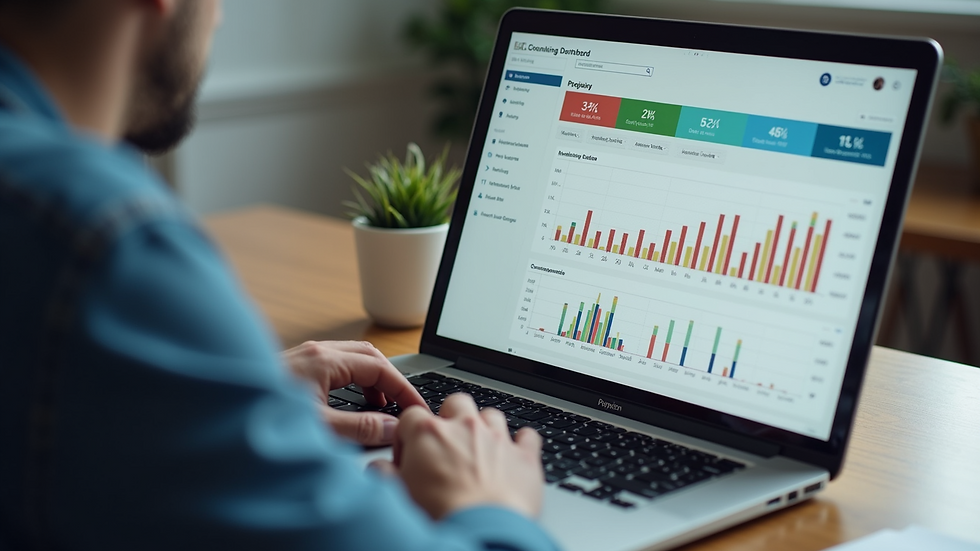
By investing time in choosing the right construction management tools, you set your projects up for smoother execution and better outcomes.
Can ChatGPT Estimate Construction Projects?
Estimating construction projects accurately is critical for planning and budgeting. Recently, AI tools like ChatGPT have gained attention for their potential to assist in this area. While ChatGPT can provide general guidance and answer questions related to construction costs, it is not a substitute for specialized estimating software or professional estimators.
ChatGPT can help by:
Explaining common cost factors in construction projects
Offering advice on how to approach estimates
Generating templates for cost breakdowns
However, it lacks access to real-time market data, local pricing, and project-specific details necessary for precise estimates. For example, material costs in Toronto and the GTA can fluctuate due to supply chain issues or regional demand, which AI models may not reflect accurately.
Therefore, while ChatGPT can be a useful tool for preliminary research or learning, relying on dedicated estimating software or experienced professionals remains essential for accurate project budgeting.
How to Implement Construction Management Tools Effectively
Introducing new tools into your construction workflow requires careful planning and training. Here are steps to ensure successful implementation:
Assess Your Current Processes
Identify pain points and areas where management tools can add value.
Involve Your Team Early
Engage project managers, site supervisors, and subcontractors in the selection process to gain buy-in.
Provide Training and Support
Offer comprehensive training sessions and ongoing support to help users adapt.
Start with a Pilot Project
Test the tool on a smaller project to identify challenges and make adjustments.
Establish Clear Protocols
Define how and when the tool should be used for tasks like reporting, communication, and documentation.
Monitor and Evaluate
Regularly review the tool’s impact on project efficiency and make improvements as needed.
By following these steps, you can maximize the benefits of construction management tools and minimize disruptions during the transition.
Benefits of Using Project Management Software for Construction
One of the most effective ways to streamline construction work is by using project management software for construction. This software centralizes all project information, making it accessible to everyone involved.
Key benefits include:
Improved Communication
Real-time messaging and notifications keep teams aligned and informed.
Enhanced Transparency
Clients and stakeholders can track progress and budgets, fostering trust.
Risk Mitigation
Early identification of delays or cost overruns allows for timely corrective actions.
Increased Productivity
Automation of routine tasks frees up time for critical decision-making.
Better Resource Management
Efficient scheduling and allocation reduce downtime and waste.
For instance, a commercial developer in Toronto can use such software to coordinate multiple subcontractors, ensuring that each phase of construction proceeds without delay. This leads to faster project completion and higher quality results.

Adopting project management software for construction is a strategic investment that pays off through smoother operations and stronger client relationships.
Moving Forward with Confidence
Incorporating construction management tools into your projects is no longer optional but necessary to stay competitive. These tools provide the structure and visibility needed to manage complex projects effectively. By choosing the right software, training your team, and leveraging technology, you can reduce risks, control costs, and deliver superior results.
Whether you are managing a residential build or a large commercial development in Toronto and the GTA, construction management tools will help you meet deadlines and exceed expectations. Embrace these solutions to streamline your work and build a reputation for excellence in every project you undertake.


Comments